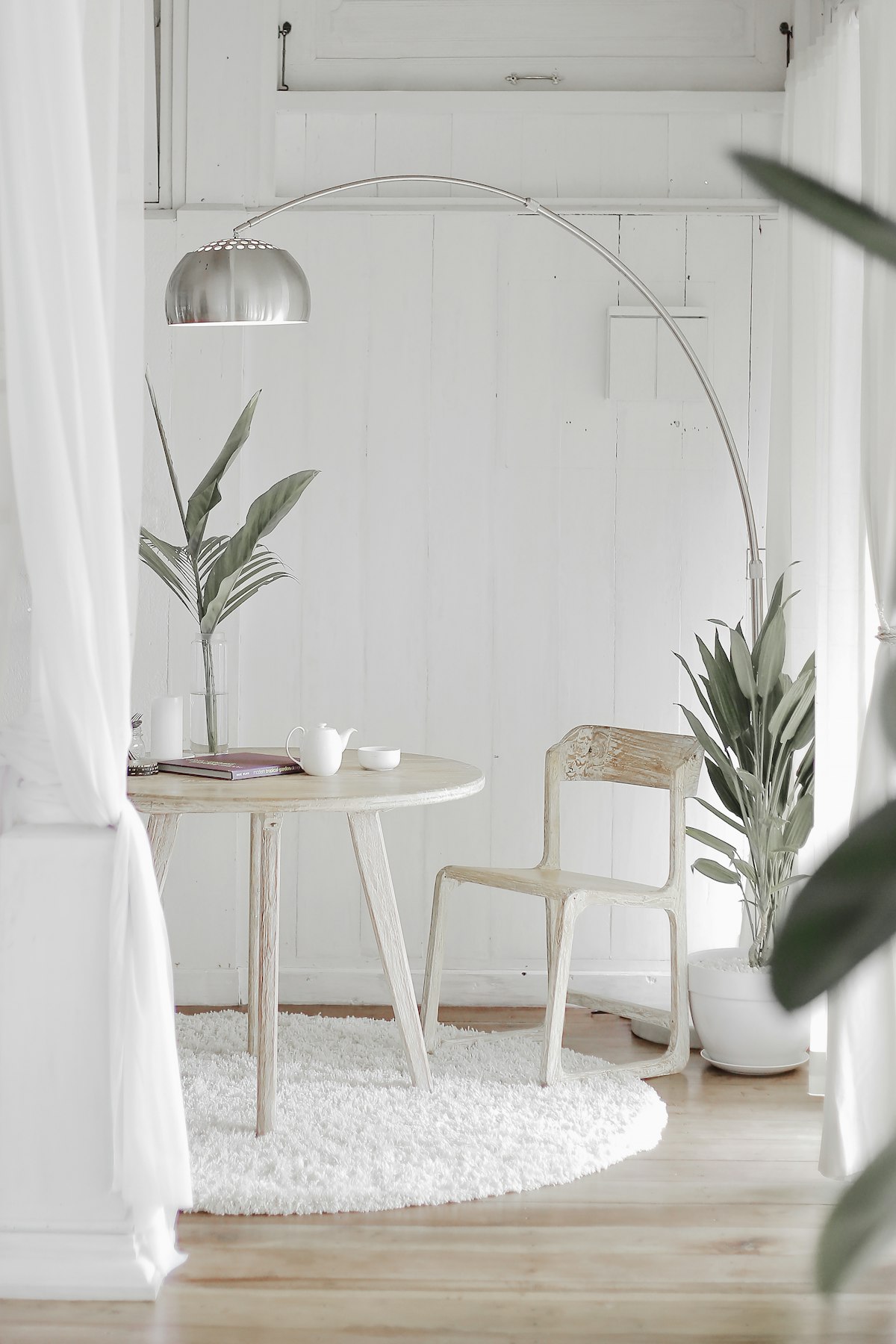
In today’s world of constant noise, pressure, and consumerism, minimalism has become more than a design trend — it’s a powerful mental health movement. Living with less doesn’t mean depriving yourself; it means freeing your mind from unnecessary stress, distraction, and emotional clutter. Minimalism gives you room to breathe, think, and focus on what truly matters.
What Is Minimalism?
Minimalism is a lifestyle philosophy centered around intentional living — focusing on quality, not quantity. It’s about reducing excess possessions, commitments, and distractions that don’t add value to your life. Minimalism promotes mindfulness, clarity, and purpose, allowing you to experience more peace and less chaos.
As Wikipedia defines it, minimalism encourages individuals to prioritize experiences, relationships, and mental well-being over material accumulation.
The Link Between Minimalism and Mental Health

Decluttering your environment has a direct impact on your psychological state. Studies show that a messy space can increase cortisol (the stress hormone), while a clean and organized environment promotes calmness and focus. Minimalism helps you achieve this balance by reducing decision fatigue and emotional overwhelm.
- Less clutter, less stress: Fewer possessions mean fewer things to manage or worry about.
- More mental clarity: A simplified space encourages focus and mindfulness.
- Better emotional balance: Minimalism creates room for gratitude and emotional stability.
- Improved sleep and rest: A tidy, peaceful environment helps your brain relax.
How to Start Living Minimally
Adopting minimalism doesn’t happen overnight. It’s a gradual process of redefining what you truly need. Here’s how to begin:
- 1. Start with small spaces: Begin by decluttering one drawer or shelf. Progress slowly to build lasting habits.
- 2. Follow the “one in, one out” rule: For every new item you bring home, let go of something else.
- 3. Digitally declutter: Unsubscribe from unnecessary emails, organize files, and limit social media usage.
- 4. Prioritize experiences over possessions: Invest in travel, learning, and memories instead of things.
- 5. Practice gratitude daily: Focus on appreciating what you already have rather than what’s missing.
Real-Life Benefits of Minimalism
People who practice minimalism often report feeling more freedom and happiness. According to a Psychology Today article, minimalism leads to increased self-awareness, improved relationships, and stronger emotional resilience.
Here are some mental and emotional benefits commonly experienced:
- Reduced anxiety: Fewer choices and clutter lower daily stress levels.
- Enhanced focus: With fewer distractions, you can focus better on meaningful tasks.
- Emotional clarity: Minimalism removes noise, helping you process emotions calmly.
- Financial freedom: Spending less reduces debt and financial stress, leading to greater peace of mind.
Minimalism and the Digital World
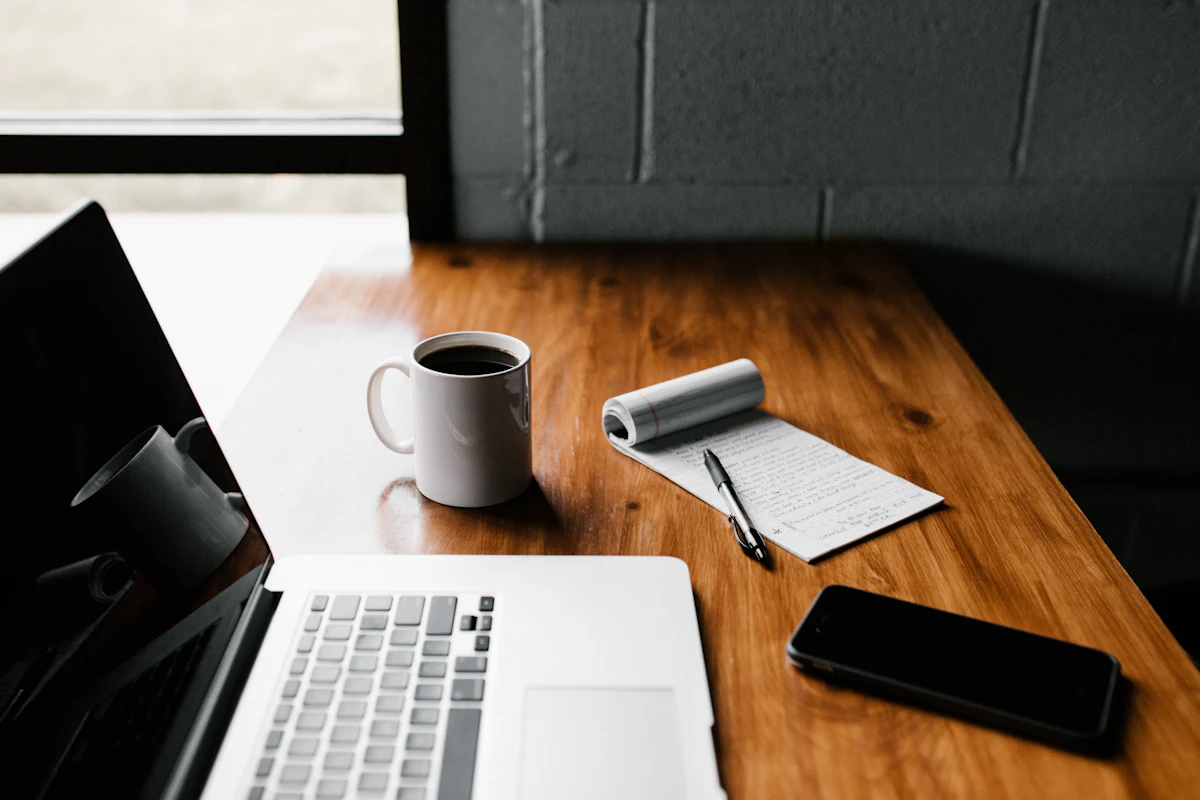
In the age of constant notifications, digital minimalism is essential. Reducing screen time, limiting social media, and curating digital content can dramatically improve mental well-being. Try setting app limits or phone-free hours to reconnect with the real world.
As author Cal Newport explains in his book Digital Minimalism, intentional online habits can “restore depth, focus, and satisfaction” — vital ingredients for mental peace.
Pros and Cons of Minimalism
While minimalism offers numerous advantages, it’s not a one-size-fits-all approach. Here’s a quick look at both sides:
- Pros: Less stress, more focus, better finances, cleaner living space, and improved relationships.
- Cons: Adjustment period, difficulty letting go of sentimental items, and potential over-simplification of needs.
Finding your balance is key — minimalism should make life easier, not restrictive.
Final Thoughts: Simplicity as a Path to Peace
Minimalism isn’t about owning nothing — it’s about owning what matters. When you strip away excess, you create mental and emotional space for peace, clarity, and purpose. Whether it’s decluttering your home, simplifying your schedule, or rethinking your digital life, minimalism offers a sustainable path to better mental health.
Start small, stay consistent, and let simplicity guide your way to a calmer, more meaningful life.
“The less you own, the less owns you.” — Anonymous
Authoritative Sources:
- Wikipedia – Minimalism Lifestyle
- Psychology Today – The Psychology of Minimalism
- Healthline – Minimalism and Mental Health
Conclusion
Minimalism offers a refreshing antidote to the chaos of modern life. By simplifying your environment, reducing digital clutter, and focusing on mental well-being, you can achieve a healthier and happier mind. It’s not just about less — it’s about living more intentionally.


No comments:
Post a Comment